Montessori-gurgaon-dlf-phase-3: Montessori in DLF Phase 3, Gurgaon
By Productive Minds Editorial Team · Updated 2026-08-07
Families in DLF Phase 3, Gurgaon, seeking authentic Montessori education find it through Productive Minds, offering programs for toddlers aged 1-2 years (Little Hearts). Spacious classrooms, private gardens, and Maria Montessori’s principles replace rigid timetables. Parents drop in anytime, ensuring transparency. Swings, scooter tracks, and vegetable gardens support natural, stress-free development in a homely campus setting.
Why choose a pure Montessori in DLF Phase 3?
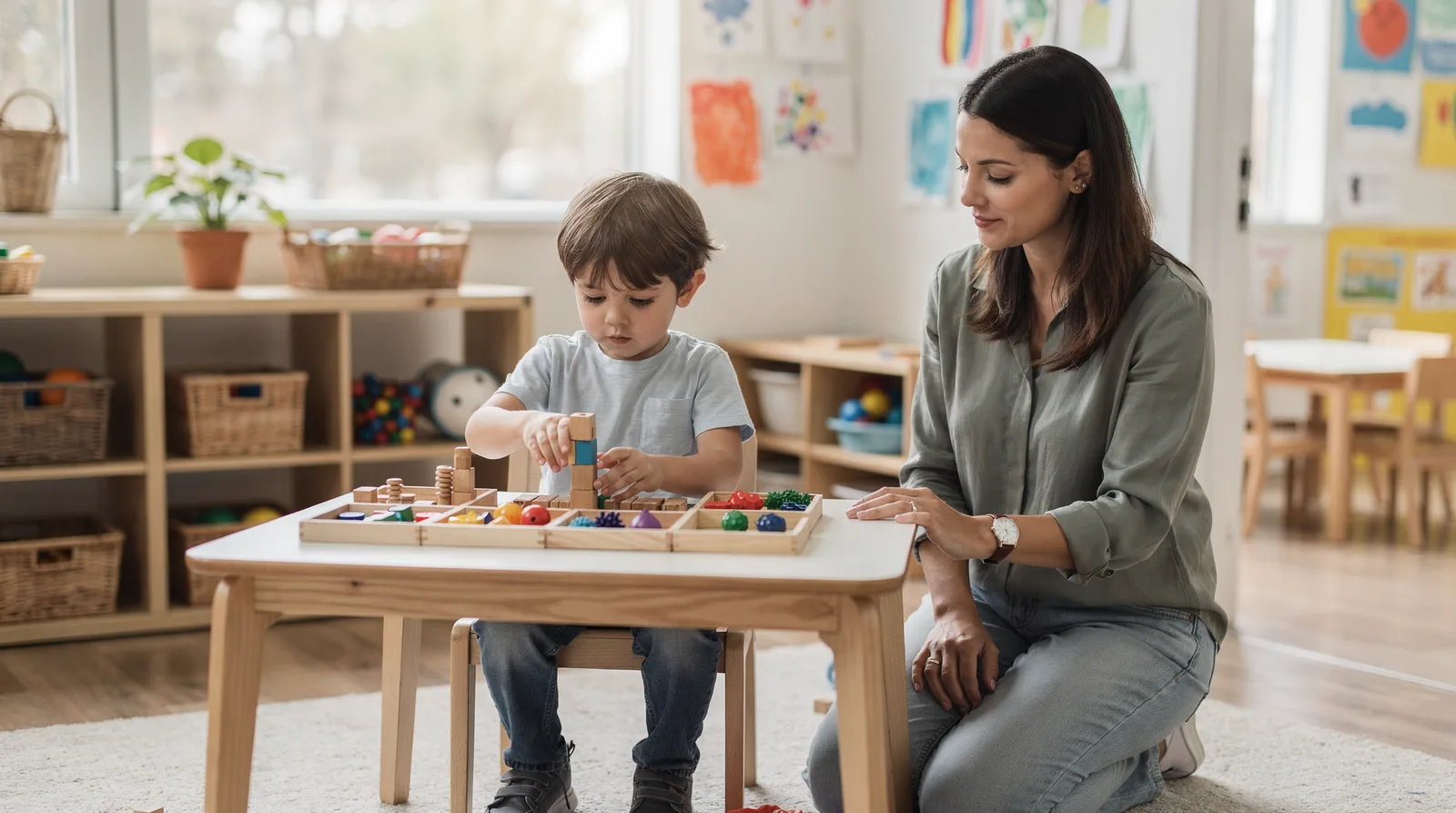
A pure Montessori environment in DLF Phase 3 follows Maria Montessori’s principles of child-led learning without rigid timetables. This approach fosters natural growth and development through homely settings and spacious classrooms. Children gain the freedom to play, explore, and learn at their own pace—guided by Montessori’s deep respect for the child’s inner drive.
What makes a pure Montessori different from other preschools in DLF Phase 3?
The best preschool-dlf-phase-3-gurugram options offer a variety of early learning programs, including Montessori, play-way, and Reggio Emilia. A pure Montessori stands apart by eliminating fixed schedules and teacher-led instruction. Instead, children choose their own activities from a prepared environment, developing concentration and self-discipline naturally. This child-led model builds intrinsic motivation rather than external rewards.
How does a pure Montessori support brain development in toddlers?
A stress-free atmosphere enhances brain development and emotional resilience in young children. Without the pressure of rigid deadlines or forced group activities, toddlers maintain naturally healthy cortisol patterns. This hormonal balance supports emotional regulation and cognitive growth during the critical early years. Children leave not only academically competent but also equipped emotionally and socially to thrive.
How does Productive Minds differ from traditional preschools?
Productive Minds replaces rigid timetables and teacher-led instruction with a child-led Montessori approach that prioritizes emotional resilience and brain development. Traditional preschools often follow fixed schedules for activities like circle time, snack, and nap, creating pressure for children to conform. Productive Minds eliminates this structure entirely, allowing each child to follow their natural rhythms throughout the day.
What makes the classroom environment different?
The school provides bright, airy classrooms with ample indoor and outdoor space per child that exceeds international standards. Traditional preschools typically allocate minimal square footage per child, leading to overcrowded rooms and limited movement. Productive Minds offers a spacious setting where children move freely between indoor learning materials and outdoor exploration.
How does transparency work for parents?
Parents and nannies enjoy the liberty to drop in anytime, ensuring complete transparency in daily operations. Traditional preschools restrict access to designated pickup and drop-off times, leaving parents uncertain about their child’s actual experience. This open-door policy builds trust and allows families to observe their child’s natural development firsthand.
Key differences at a glance:
Children venture into outdoor play whenever they wish, enjoying amenities like swings, scooter tracks, and a vegetable garden. This freedom supports naturally healthy cortisol patterns, which enhances emotional balance and cognitive growth. The stress-free atmosphere directly supports brain development in ways that rigid preschool environments cannot replicate.
What academic and emotional outcomes can parents expect?
Children at Productive Minds leave the preschool with exceptional reading. Math skills, reading fluently and performing multiplication tables beyond 10. The child-led montessori-gurgaon-dlf-phase-3 approach produces these academic results without the pressure of rigid timetables or forced instruction. Emotional and social development keeps pace with cognitive growth, equipping each child to thrive in further education and personal life.
How does the environment support emotional balance?
The unique setup promotes naturally healthy cortisol patterns, which directly supports emotional balance and cognitive growth. A stress-free atmosphere allows children to regulate their own nervous systems, building resilience that carries into primary school and beyond. This biological foundation makes emotional stability a natural outcome rather than a taught lesson.
What role does freedom play in developing self-control?
Freedom and choice encourage initiative and self-control in young learners. When children decide their own activities and pace, they develop internal discipline rather than relying on external rules. This self-regulation translates into:
- Stronger focus during academic tasks
- Greater willingness to tackle challenges independently
- Improved social interactions with peers and adults
The academic and emotional outcomes at this montessori-dlf3-gurgaon location work together. A child who reads fluently and masters multiplication also possesses the confidence. Emotional tools to apply those skills in real-world settings. This dual preparation — academic competence plus emotional readiness — defines the Productive Minds graduate.
Explore our Sector 65 campus, our Malibu Town campus, or our Sohna Road campus to see the difference firsthand.
Productive Minds represents a thoughtful departure from conventional preschool models, honoring each child’s natural developmental timeline while building genuine academic and emotional foundations. In our nurturing Montessori environment, children discover that learning flourishes when curiosity leads the way—preparing them not just for academic success, but for a lifetime of confident, independent thinking and authentic self-expression.